

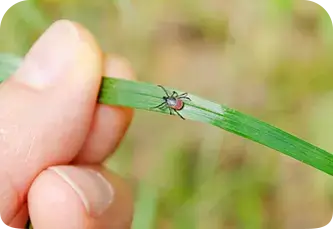
If you spend a lot of time outdoors, gardening or hiking, you may be exposed to ticks that carry Lyme disease. Lyme disease is hard to diagnose – many of the symptoms mimic the flu or other conditions. You may not have noticed the tell-tale bull’s eye red rash surrounding the site of your bite, or maybe you never developed one.
What you do know is that you have unexplained fatigue, headaches, body aches, stiffness, and sometimes a fever. If you think you may have Lyme disease, or want to avoid contracting this debilitating illness, know these details about it.
1. Not every tick bite leads to Lyme disease
A specific type of tick carries Lyme disease. In the Virginia area (and the entire east coast) and Midwest, it’s the deer tick, also known as the black-legged tick. On the west coast, Lyme disease comes from the western black-legged tick.
2. It’s not contagious
If you have Lyme disease, you won’t infect your kids, husband, or friends. Likewise, if you have a loved one with the condition, you aren’t going to contract it from them. You can only get Lyme disease by a tick bite from an infected insect. These ticks exist in just about every state in America.
3. You can remove the tick before you become infected
To contract the disease, the infected tick needs to attach to you for 36 to 48 hours – that’s about two straight days. If you find a tick on you, pull it firmly and upward off your skin with a clean pair of tweezers. Always check exposed skin after a hike or working outdoors for ticks that may have taken hold.
4. You may, or may not, get the bullseye rash
Although a bullseye rash is a prominent and common sign that you’ve been infected, it doesn’t happen to everyone with Lyme disease. Up to 50% of people with Lyme disease never get the rash. Plus, you may experience a tick bite in an area in which you don’t notice the rash – such as on your scalp or around the groin.
5. Lyme disease has a diverse set of symptoms
Lyme disease symptoms can mimic the flu, but also affect a number of other organs. Your skin, nervous system, muscles, heart, eyes, and joints can suffer. Lyme disease can trigger chronic fatigue syndrome and fibromyalgia. You may have unexplained dizziness, memory loss, impaired thinking, and even panic disorder symptoms as a result.
6. Standard testing may be misleading
To test for Lyme disease, you’re subject to a blood test that relies on antibodies made by your immune system against Lyme bacteria. This test doesn’t always pick up these antibodies, so it’s important that all symptoms you experience are considered when making a diagnosis. If you think you might have Lyme disease, let the team at Lifestyle Physicians know so they can make a comprehensive clinical judgment.
7. A cure is possible
Lyme disease is treated successfully in most cases. The sooner you begin antibiotic therapy, the quicker and more complete your recovery. Even if you’ve had chronic Lyme disease for a long time – like 10-25 years – there is hope. You may need more extensive or maintenance therapy, but never give up on good health.
If you’ve got unexplained fatigue and flu-like symptoms that simply don’t resolve, make an appointment with Lifestyle Physicians for a thorough workup that includes a test for Lyme disease. Dr. Sagar Verma and Dr. Sheeba Asad can get at the root cause of your ill health so you can return to full health.