


Why This Question Matters
Have you ever wondered why weight loss often seems easier for men, while women work just as hard — or harder — with fewer results? Many patients come to our clinic frustrated, blaming themselves for a lack of progress despite eating well, exercising consistently, and doing everything they were told.
Here’s the truth:
This isn’t about willpower. It’s about biology, hormones, and metabolism.
Men and women do differ metabolically on average — but averages don’t determine your results. Your metabolism is highly individual, shaped by hormones, muscle mass, insulin sensitivity, thyroid function, stress, sleep, and your dieting history.
At Lifestyle Physicians, we don’t guess. We measure.

Metabolism 101: What It Really Means
Your metabolism is the sum of all chemical processes that keep you alive — breathing, circulation, temperature regulation, tissue repair, and energy production. Most people think metabolism equals “how fast I burn calories,” but it’s much more nuanced.
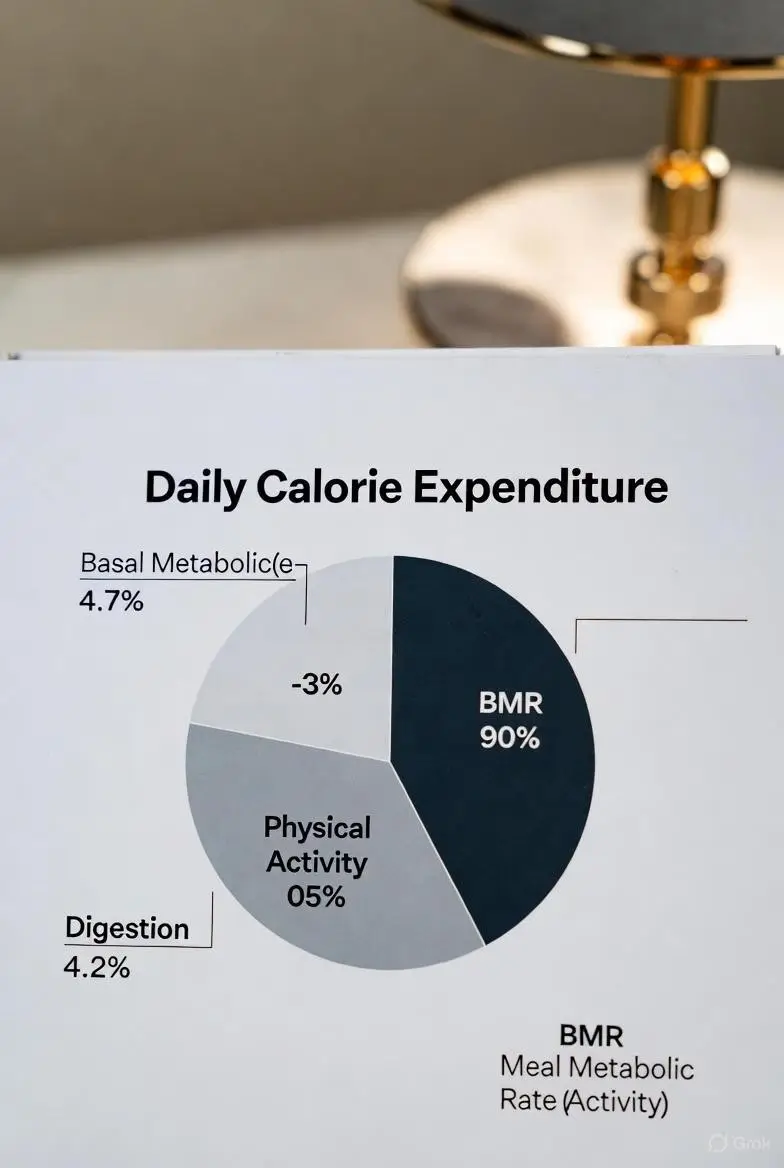
The largest driver of daily calorie burn is your Basal Metabolic Rate (BMR) — the calories your body burns at rest. BMR accounts for 60–75% of total daily energy expenditure.
This is why getting BMR wrong can completely sabotage weight loss.
Why Men Often Lose Weight Faster (On Average)
1. Muscle Mass: The Metabolic Engine
Muscle is metabolically active tissue. Even at rest, muscle burns calories continuously.
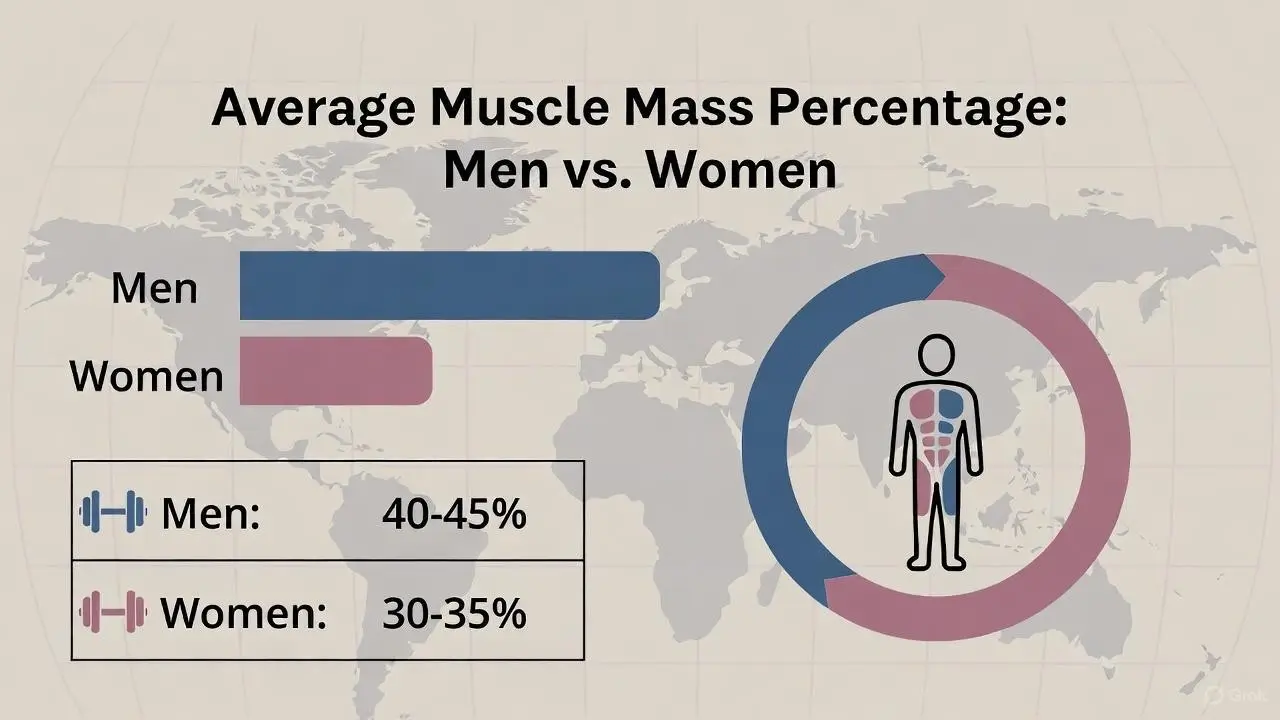
On average, men carry 30–40% more lean muscle mass than women due to testosterone’s effects on muscle development. Each pound of muscle burns approximately 5–6 calories per day at rest.
Women naturally carry a higher percentage of body fat (typically 21–24% vs 14–17% in men), which is metabolically less active. This does *not* mean women are disadvantaged — it means strategy matters.
Clinical takeaway:
- Preserving and building lean muscle is essential for women, especially after age 40
- Random cardio without strength training often backfires
- The amount of muscle you need is highly individual
2. Basal Metabolic Rate (BMR): Your Energy Budget
Because of greater muscle mass, organ size, and testosterone levels, men often have a 5–10% higher BMR than women of similar age and weight.
But here’s the critical point:
Two women of the same height, weight, and age can have BMRs that differ by 30% or more.
Online calorie calculators frequently miss this — leading many patients to under-eat, stall fat loss, and slow metabolism over time.
3. Fat Storage: Location Matters
Women are biologically programmed to store more subcutaneous fat (hips, thighs, glutes). This fat is hormonally protected and slower to mobilize — especially during stress, perimenopause, and menopause.
Men tend to store more visceral fat around the abdomen. While visceral fat carries health risks, it is more metabolically active and often responds faster to diet and exercise.
This explains why:
- Men often see rapid early weight loss
- Women feel “stuck” despite consistency
This is physiology — not failure.
4. Hormones: The Invisible Metabolic Drivers
Hormones act as the conductors of your metabolic orchestra.
For women:
- Monthly hormonal cycles affect energy, cravings, and fat burning
- Perimenopause and menopause reduce estrogen, shifting fat storage to the abdomen
- Declining estrogen lowers insulin sensitivity and muscle mass
For men:
- Testosterone declines ~1% per year after age 30
- Lower testosterone slows metabolism and increases fat mass
Both sexes are affected by cortisol, thyroid function, sleep deprivation, and chronic stress.
This is why one-size-fits-all advice fails.
The Truth Most Blogs Miss: Individual Metabolism Matters More Than Gender
While sex-based differences exist, individual variation is far more important.
Your metabolism is shaped by:
- Genetics
- Thyroid health (even subclinical dysfunction)
- Insulin resistance
- Mitochondrial efficiency
- Past dieting or weight cycling
- Sleep quality and stress
- Gut health and inflammation
This is why two people eating the same diet can have completely different outcomes.

Precision Weight Loss: Why Testing Changes Everything
At Lifestyle Physicians, we use PNOĒ Metabolic Testing to remove guesswork.
PNOĒ directly measures:
- Your true resting metabolic rate (not an estimate)
- How efficiently you burn fat vs carbohydrates
- Oxygen utilization and metabolic efficiency
- Cardiovascular fitness and metabolic flexibility
Instead of guessing, you know:
- Your exact calorie needs
- Whether fat loss requires nutrition changes, muscle building, or metabolic repair
- What type of exercise actually works for you
This transforms weight loss from frustration into strategy.
Integrative Support: Nutraceuticals That Enhance Metabolic Health
For many patients — especially those with insulin resistance, hormonal shifts, or stubborn fat loss — targeted nutraceuticals can support metabolic repair when used alongside medical guidance.
Commonly used supports include:
- Berberine: Improves insulin sensitivity and lipid metabolism
- Omega-3 fatty acids (EPA-dominant): Reduce inflammation and triglycerides
- Magnesium: Supports insulin signaling and sleep
- Alpha-lipoic acid: Enhances glucose utilization
- Curcumin: Lowers inflammatory burden
These do not replace medical therapy, but they can enhance results when personalized appropriately.
Stop Comparing. Start Understanding Your Body.
Comparing your journey to someone else’s — especially across genders — creates frustration and burnout.The better question isn’t: “Why is this easier for them?“It’s:”What does my metabolism need?“That answer lives in data — not diet trends.
Your Next Step: Metabolic Testing at Lifestyle Physicians
If you’re tired of stalled weight loss, conflicting advice, and doing everything “right” without results, it may be time to stop guessing.
At our Warrenton and Culpeper Lifestyle Physicians clinics, we combine:
- Precision metabolic testing (PNOĒ)
- Medical weight loss
- Hormone optimization
- Integrative and lifestyle medicine
Because sustainable weight loss starts with understanding — not restriction.
???? Schedule your PNOĒ Metabolism Test today
Real results start with real data.