

Lifestyle Physicians
Physician-Led Care for Lasting Weight Loss, Hormone Balance, and Better Health.
Our experienced physicians create personalized treatment plans that address the root cause of your health concerns, helping you lose weight, restore hormonal balance, and achieve long-term wellness.


Your Partner in Lifelong Wellness
Since opening in Warrenton in 2015 and expanding to Culpeper in 2016, we have grown to offer a wide range of services, including primary care, naturopathic medicine, holistic care, and hormone therapy, all designed to support lasting health and well-being.
Services
Personalized Solutions for Better Health



Supportive Therapies
Supportive Therapies for Enhanced Results
IV Therapy
Deliver essential vitamins and nutrients directly into your bloodstream to improve hydration and support immune health.
Peptide Therapy
Targeted therapies that support recovery, improve performance, and promote overall wellness at a cellular level.
Ozone Therapy
A regenerative treatment that enhances oxygen utilization, supports immune function, and promotes healing.
Care Led by Experienced Physicians You Can Trust
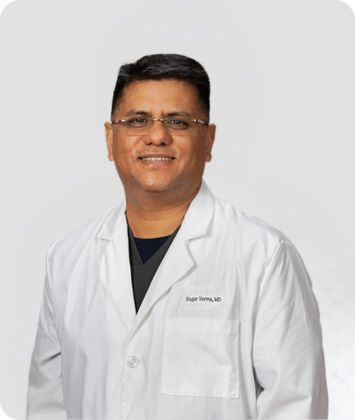
Dr. Sagar Verma
Dr. Sagar Verma is a highly experienced physician specializing in Internal Medicine, Obesity Medicine, and Integrative Medicine. With over a decade of clinical experience, he has dedicated his career to helping patients achieve sustainable health through a personalized, prevention-focused approach.
As the founder and owner of Lifestyle Physicians, Dr. Verma established the practice in 2015 with a vision to shift healthcare from symptom-based treatment to long-term wellness and disease prevention. His approach combines modern medical science with integrative and holistic therapies, allowing patients to address the root causes of their health concerns rather than relying solely on medications.
Dr. Verma is board certified in Internal Medicine and Obesity Medicine, and he is also certified in Integrative Medicine through the Academy of Integrative Health and Medicine. His expertise extends to bioidentical hormone replacement therapy (BHRT), regenerative medicine, and advanced wellness therapies, enabling him to provide comprehensive, patient-centered care tailored to individual needs.
Before practicing in the United States, Dr. Verma trained and worked as a Radiation Oncologist in India, bringing a diverse medical background and a deep understanding of complex health conditions. Since 2009, he has worked extensively as a hospitalist, gaining valuable experience in managing a wide range of medical conditions, which further strengthens his ability to provide holistic and effective care.
Why Choose Lifestyle Physicians
We are committed to delivering personalized care, advanced treatments, and a holistic approach to help you achieve long-term health and lasting results.

Personalized Care
Every treatment is tailored to your unique health goals, ensuring the most effective and long-lasting results.

Holistic Care

Expert Team

Long-Term Wellness
Blogs
See The Latest News

Metabolism in Men vs. Women: Who Burns Calories Faster?
Why This Question Matters Have you ever wondered why weight loss often seems easier for men, while women work just as hard — or harder — with fewer results? Many patients come to our clinic...

Balancing Your Hormones Naturally: A Naturopathic Approach
best naturopathic doctor,naturopathic wellness clinic,naturopathy expert Warrenton Balancing Your Hormones Naturally: A Naturopathic Approach Hormones affect everything from mood and energy levels...

IM Shots vs. IV Therapy: Which Is Right for You?
Intramuscular shots Warrenton &Culpeper, va,biotin injections for hair growth, tri immune injection,vitamin d injections,iv therapy Warrenton,iv drip therapy near me,iv nutritional therapy IM Shots...
Testimonials
What Our Patients Say
Read what our patients have to say about their experience with our personalized care and commitment to better health.
RECENT VIDEOS