Keto Diet for Weight Loss Under Medical Supervision
An Introduction to Keto Diet –
A keto or ketogenic diet is a low-carb, moderate protein, higher-fat diet thathelps the body burn fat more effectively. Over 50 independent studies show that there are many benefits to keto including weight loss,improved healthand overall physical performance.
Dr. Verma recommends a Keto Diet because it can be especially useful for losing excess body fat withouthunger AND a keto diet can improve the symptoms associated with Type 2 diabetes. Read on to learn how to eat a keto diet based on real foods. Get startedwith our visual guides, recipes, meal plans, and a simple 2 week Get Startedprogram.
We want you to have everything you need to succeed on Keto!
What is a Keto Diet?
The ketogenic diet is a very low carb, high fat diet that shares many similarities with the Atkins and Low Carbs diets.It involves drastically reducing carbohydrate intake and replacing it with fat. Thisreduction in carbs puts your body into a metabolic state called Ketosis. When this happens, your body becomes incredibly efficient at burning fat for energy. It also turns fat into ketones in the liver, and those ketones supply energy for the brain.
Another feature of ketogenic diets is that they can cause significant reductions in blood sugar and insulin levels. This has implications for Type 2 Diabetics. The affects on blood sugar and insulin, along with the increased ketones, are health benefits.
How does Keto Diet work for my body?
The ketogenic diet is based on the principle that by depleting the body of carbohydrates, the body’s primary source of energy, the body is forced to burn fat for fuel, and that maximizes weight loss. When you consume foods that contain carbohydrates,the body converts those carbohydrates into glucose, or blood sugar, which it then usesfor energy.
Glucose is the simplest form of energy for the body to use, and it is the first source of energy that the body uses before the body turns to stored fat for fuel.
On a ketogenic diet, the goal is to restrict carbohydrate intake so that the body must break down fat for energy. When this occurs, fat is broken down in the liver, thereby producing ketones, which are by-products of your metabolism. These ketones are then used to fuel the body in the absence of glucose.
WHAT CAN I EAT ON KETO?
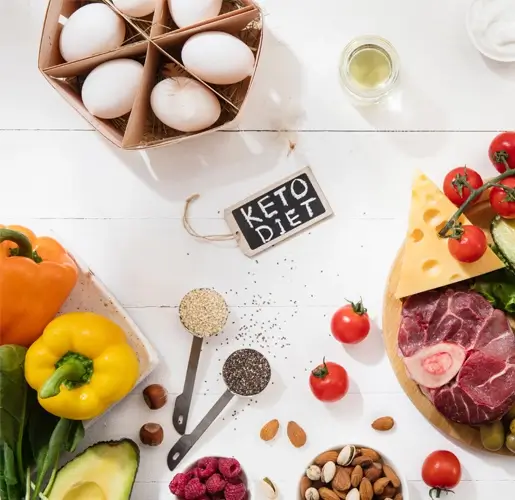
There is a wonderful variety of easy-to-find foods that are part of the keto diet! Many people expect to have very restricted choices, but this is just not true. Read on to understand what foods are permitted on keto.
Meats and Poultry:
Small servings of unprocessed meats are a good choice but remember to eat meat in moderation. Too much protein intake will interfere or delay ketosis.
Fish and Seafood:
Fatty fish, such as salmon, are the best choices (remember that keto is high fat/low carb). Avoid breading because of the added carbohydrates. Wild-caught fish is best, and smaller fish such as sardines and mackerel will have less mercury and other toxic substances.
Eggs:
You can eat eggs and you can prepare them any way you like them best. If you have concerns about cholesterol, it is best to discuss this with your doctor to determine how often you will include eggs in your diet.
Natural fats and high fat sources:
Most of the calories you consume on a keto diet will come from fats. Of course it will come from meats, fish, and eggs, but you may add to this by using butter to cook. Even high-fat sauces such as Bearnaise are encouraged on this diet! Use coconut oil and olive oil on salads, cooked vegetables, and so on.
Vegetables:
Root vegetables should not be included in this diet, but anything that grows above ground can be included. Fresh or frozen options are fine, and try to include more green, leafy vegetables. Salads are a good option but remember that your vegetables are the perfect place to add high fat oils. Drizzle it over kale before putting it in the oven or pour lightly over salads. You can sauté them in butter, too!
High Fat Dairy:
BUTTER and heavy cream are keto friendly when used for cooking. Avoid milk because if possible because it converts to sugar easily. It is best to eliminate it from your diet completely, but a splash in your coffee is okay.
Nuts:
Some nuts, such as cashews, are very high in carbs so be careful about eating nuts. Macadamia nuts or pecans are a better choice.
Berries:
If you can, save it for a special occasion or dessert. Fresh berries with real whipped cream is a keto diet favorite!
WHAT CAN I DRINK?
Water:
This is the very best thing you can consume when you are on a diet. It can be sparkling or still water. Make your own spa water by adding cucumber or lemon. Drink it hot like you would tea, or room temperature. You can even add a few shakes of salt to your water.
Coffee:
Drink black coffee, no cream and no sugar if you can. A very small amount of cream or milk is acceptable, but it “may” stall ketosis. If you plateau and are not losing weight, stop putting cream or milk in your coffee.
Tea:
Herbal tea, black tea, and green tea are all acceptable on the keto diet. Do not add sugar.
Bone Broth:
It is really a perfect beverage for this diet and is packed with nutrients your body needs. You can make it easily at home or purchase it from butcher shops and grocery stores.
ARE THERE RESTRICTIONS?
Yes. It is very important to avoid sugars and starches. Many processed foods are high in sugar, and there are hidden sugars in many packaged products on the grocery story shelves. Pasta, bread, beer, cookies, potato chips, condiments, and sweeteners are all foods that do not belong on this diet.
Fruits are also very high in sugar and should be thought of as candy. Only eat fruit on special occasions and very rarely.
ARE THERE REAL HEALTH BENEFITS?
You may have read that low carbohydrate diets are dangerous because they raise cholesterol or contribute to heart disease with high fat content. It is important to note that “high fat” on keto does not include deep fried foods and high processed snacks. A medically supervised ketogenic diet emphasizes fats derived from olive oils, coconut oils, and butters. Heavy cream is included for cooking and occasionally for whipped cream (whipped topping “products” are not included.)
Over fifty independent studies have found that there are real health benefits from ketogenic diets. Some have been identified above but here is a more complete list of the ways keto is beneficial for people:
 A keto diet reduces your appetite.
- Ketogenic diets cause more initial weight loss.
- More fat loss comes from the mid-section of the body on keto.
- Lower Triglyceride levels, and people often experience a drastic drop.
- HDL Cholesterol (the “good” cholesterol) increases
- Lower blood sugar and insulin levels
- Some people experience lower blood pressure.
- May reduce the risk factors for Metabolic Syndrome.
- LDL Cholesterol (the “bad” cholesterol) levels are improved.
- Keto diets may have an effect on brain function, such as improving memory.
At Lifestyle physicians, weight loss patients undergo a complete workup before starting any medical weight loss program. We order labs for complete blood work, body composition analysis, Metabolic rate test, EKG and body measurements.
Our Physician, Dr. Verma, Board Certified in Obesity Medicine and Internal Medicine meets with the patient to review medical history, labs, test results, and the patient’s personal health goals in order to develop a weight loss and healthcare plan. Patients have followed up clinic visits each week and meet with the Physicians every 2 weeks.
We accept most major insurance plans, and most cases are covered by insurance.



 People feeling unwell or have a fever