Lifestyle Physicians is committed to providing the highest quality of care and ensuring the safety of our patients, employees, providers, volunteers and visitors. We continue to monitor the evolving situation with COVID-19 on a daily basis and are taking the necessary steps to ensure we provide a safe environment of care for patients, in accordance with guidance from the Centers for Disease Control and Prevention (CDC) and in partnership with our local and state health departments.
Masks Required at All Times
It’s called platelet-rich plasma. Our blood is made of two main components, red blood cells and plasma. The plasma contains white blood cells and platelets, which are rich in growth factors. PRP has been used for a long time to regenerate cartilage by orthopedic doctors.
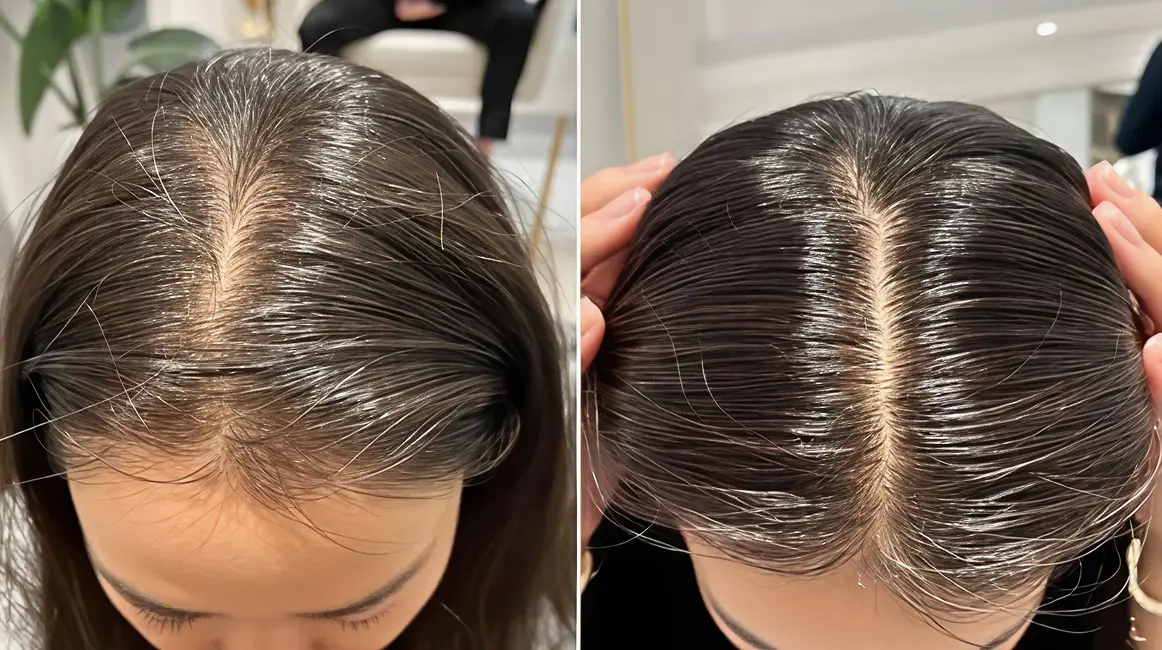
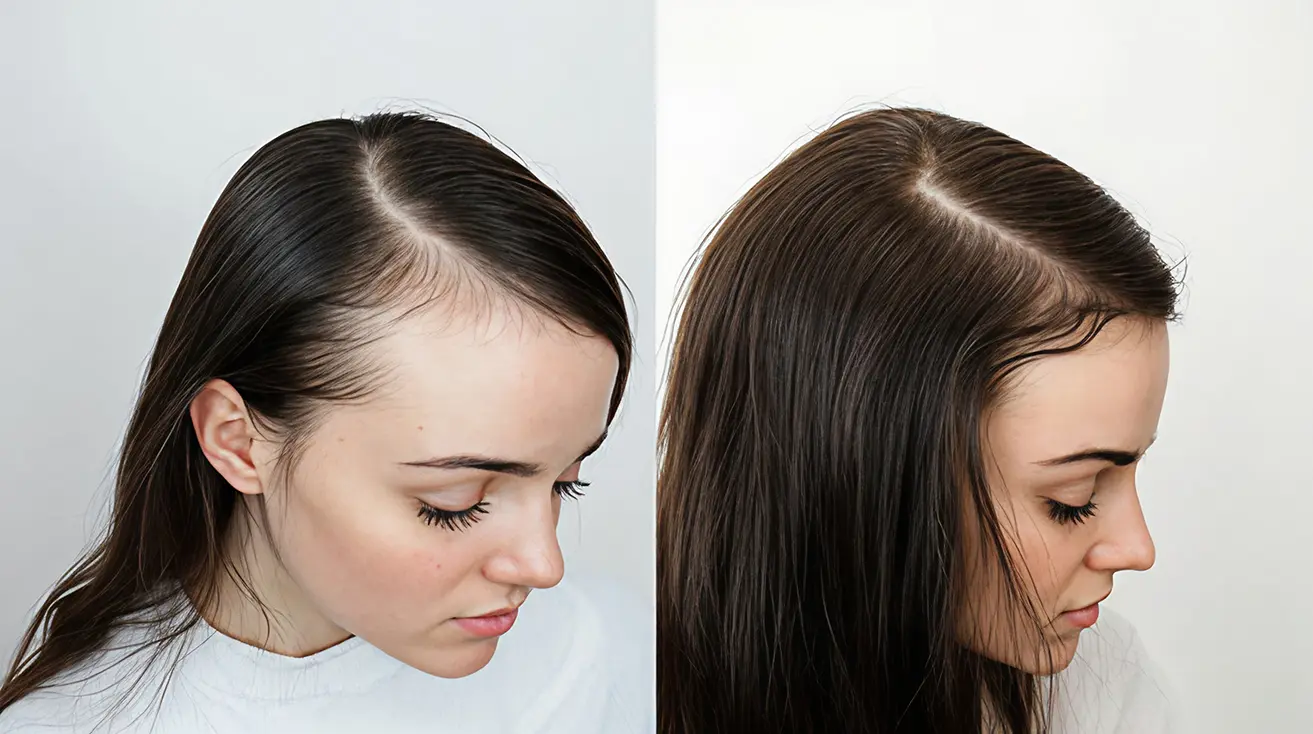
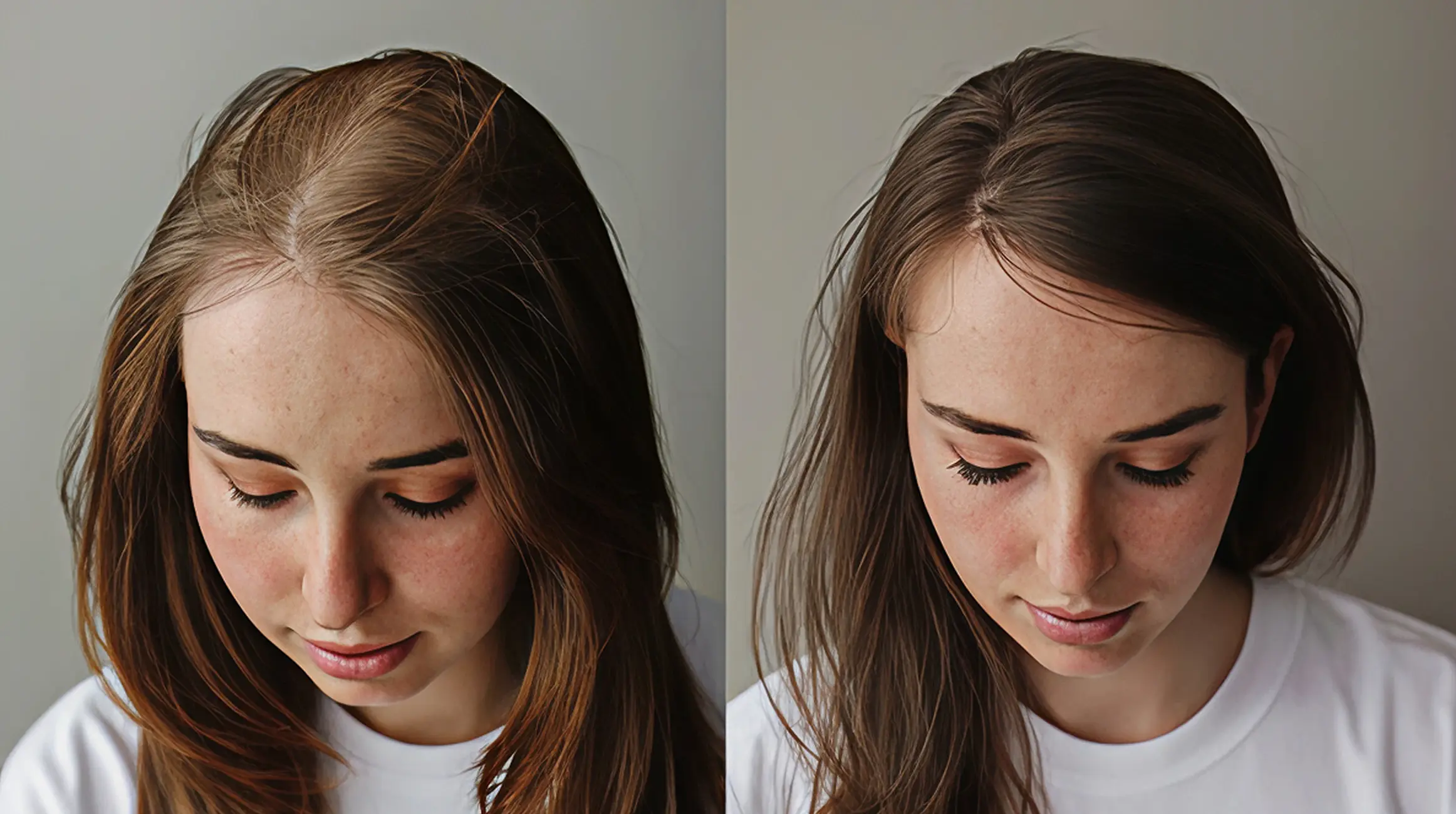
The use of PRP is a great treatment option for hair loss because it shows its efficacy in increasing hair count, hair thickness and the growth phase of the hair cycle.
PRP hair restoration is a three-step process. Most PRP hair restoration requires 3-4 treatments 4–6 weeks apart. Maintenance treatments are required yearly.
They will draw your blood from your arm — and put into a centrifuge (a machine that spins rapidly to separate fluids of different densities)
After about 14 minutes in the centrifuge, your blood will have separated into three layers:
Platelet-poor plasma, platelet-rich plasma and red blood cells
The platelet-rich plasma is drawn up into a syringe and then injected into areas of the scalp that need increased hair growth.
Post PRP, do not wash hair for one day. Please use Irestore Laser.
It has been observed that PRP treatment improves hair growth and health, strength, individual hair thickness and prevents further hair loss. This can help maintain the current number of hairs and also help improve the health and quality of your current hair. It can also cause new hair growth but the degree varies from person to person. PRP has been shown to produce new hair regeneration in both male and female pattern hair loss. It also reduces hair loss in men and women, make finer hairs thicker. It also has shown to increase amount and strength of hairs
4 treatments are recommended. They should be four weeks apart for the best results for most people. Maintenance treatment is needed every one to two years later on to maintain the results of your PRP hair regeneration treatment.
Every person has varying results, most people see improvement in hair texture, a thickness of hair shaft and growth of new hairs in the treated area within two months after treatment.
Yes! The results of PRP treatment for hair regrowth are not permanent. We cannot change the genetic predisposition for hair loss. Hair loss will return if no maintenance treatment is done. Most patients male pattern hair loss and female pattern hair loss who respond to PRP hair loss treatment, require repeat treatment anywhere between 12-24 months after their initial treatment. Other adjunctive treatments with PRP hair loss treatments can be used such as topical minoxidil, oral Propecia etc. Additional treatment frequency will also depend on your hair treatment goals.
Because the PRP is obtained from your blood, there is no side effect or allergic reaction. There is risk of mild bleeding which can be easily controlled with the application of pressure. There is a small risk of bruising and of infection at the injection site. In a small number of individuals, there may be mild swelling of the treated area which can last a few days.In rare cases there may rarely be shedding of hair.
According to researchers, the best candidates are people who have only recently begun to lose hair. PRP will not work for anyone who’s completely bald and it will not completely regrow all lost hair. PRP targets androgenic alopecia, the hereditary hair thinning that affects both men and women. It may also be effective for women with traction alopecia, hair thinning caused by too tight ponytails and braids that pull the hair out.
According to the US library of Medicine data
Here are some people who may benefit from PRP:
PRP may not be beneficial for the following:
All information presented in this website is intended for informational purposes only and not for the purpose of rendering medical advice. Statements made on this website have not been evaluated by the Food and Drug Administration. The information contained herein is not intended to diagnose, treat, cure or prevent any disease. *Results may vary